
We grew up when MTV still played videos and Kurt Loder told us the news straight, no chaser. Somewhere between REM and Pearl Jam we learned to smell a rigged game from a mile off. So why is everybody acting like this one is fine?
Here is the deal. Our parents are aging. The bills are staggering. And nobody, not the brochure, not the tour guide, not the shiny website, is doing the actual math with us. So we did. Consider this your track by track breakdown.
Track One: Nobody Warned Us
There is a conspiracy of silence in this country around care costs. Families whisper about it the way people used to whisper about cancer. We get the diagnosis, the pamphlets, the casserole. What we do not get is the invoice preview. Ask anyone who just got the memory care quote. The silence before that quote and the silence after it sound very different.
The average assisted living facility in our area runs well over five figures a year. Memory care can hit $9,000 a month. Let that sink in like a power ballad you did not ask for.
Track Two: Nine Grand a Month, Are You Kidding Me
Let's do the math everyone avoids. Say memory care runs $9,000 a month. That is $108,000 a year. The average social security benefit is under $2,000 a month. If you are doing this on a calculator, that is not a gap, that is a canyon.
And here is the part that should make you want to throw the boombox at the wall. The system is counting on you not doing this math. Not out loud anyway. Not with your siblings. Not with your parents while they can still be part of the conversation.
Track Three: The House Is Not a Retirement Plan
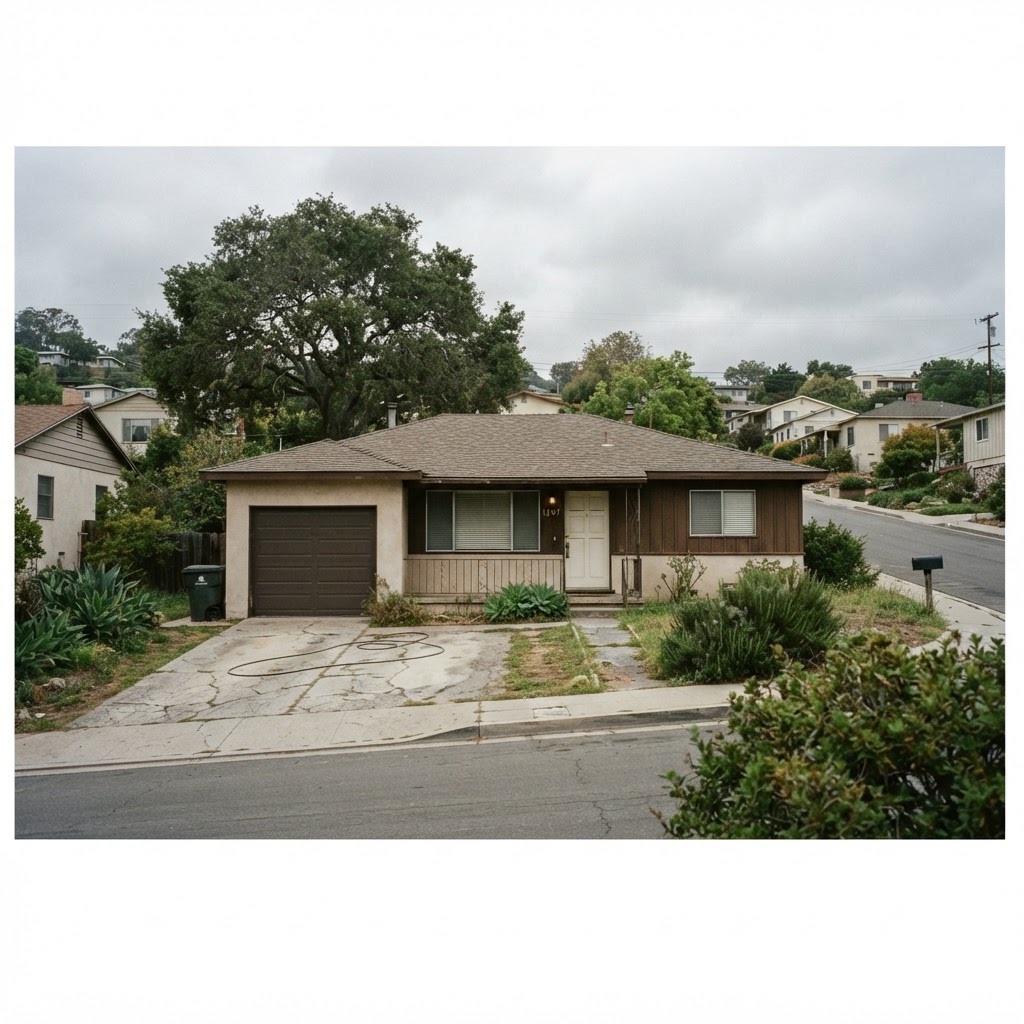
A lot of our parents have exactly one big asset. The house. And for years everyone treated it like a sacred object, something you preserve at all costs. Meanwhile the care bills pile up and the family scrapes together thousands a month from savings that were supposed to last till the end.
Here is the loud truth. The equity in that house is a tool. It can fund the care your parent actually needs, in the place they actually want to be, if you plan it instead of stumbling into it. There are real ways to put that equity to work without a panic sale to the first cash buyer with a magnetic car sign. Start with the options, not the panic.
Track Four: Do Your Own Math, Loudly
MTV taught us to question everything. Then we got busy, raised kids, kept the machine running. Fair. But this is the moment to bring that energy back.
Run the real numbers before the crisis. Know what care costs in your city. Know what your parents actually have, in accounts, in equity, in long term care insurance they forgot they bought. Have the awkward dinner conversation now instead of the impossible hospital hallway conversation later.
And use the tools built for exactly this. Our care cost calculator gives you real local numbers, not brochure fantasy math. It takes minutes and it will change the whole conversation in your house.
Track Five: Nobody Taught Us the Vocabulary
Here is a pop quiz nobody gave us. What is the difference between assisted living, memory care, and skilled nursing? If you cannot answer in one sentence, you are not alone, and the industry knows it. Vague vocabulary is how a $5,000 a month quote becomes a $9,000 a month invoice with a shrug.
Assisted living means help with daily stuff, meals, meds, showers, in an apartment setting. Memory care means the same building, locked doors, specialized staff, and a bill that jumps by thousands. Skilled nursing means medical care around the clock, and that is a whole other price universe. Same parent, three different labels, wildly different numbers.
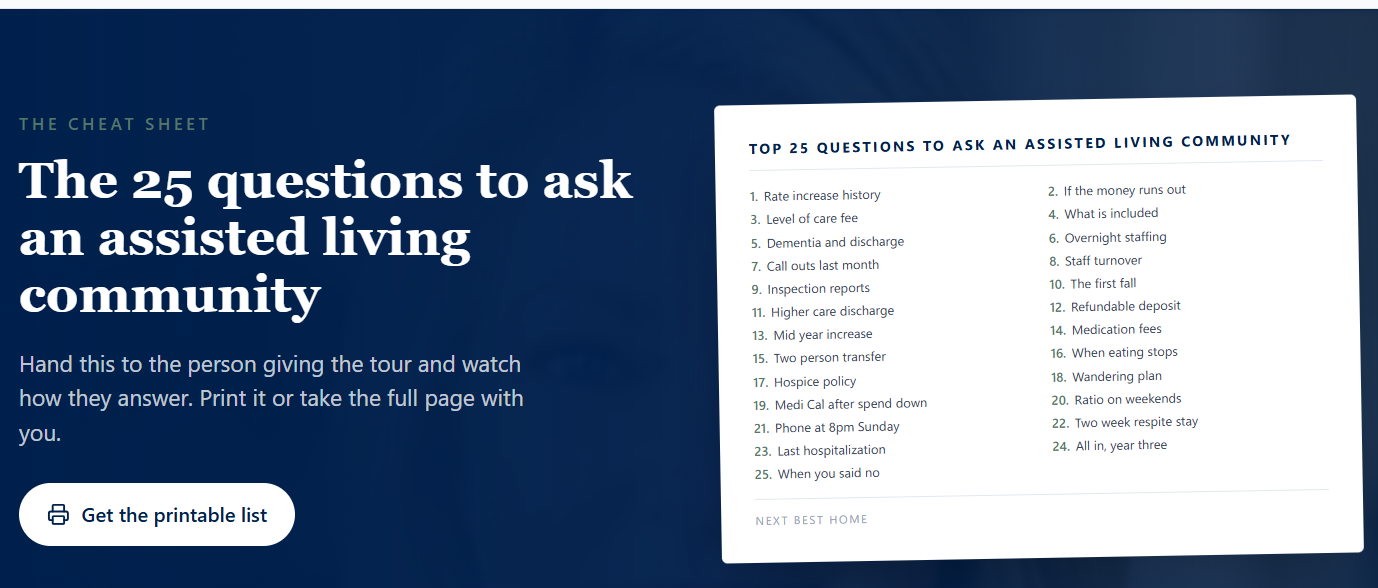
Learn the words before the tour. Ask the tour guide to define them out loud. Watch how fast the brochure language gets slippery when you press. That speed tells you everything.
Track Six: The Sibling Math Nobody Wants to Do
Every family has the sibling who lives nearby. The one who takes Mom to appointments, sits through the facility tours, picks up the prescriptions. And every family has the sibling two states away who sends thoughts and prayers and Venmo requests questions about why things cost so much.
The math on paper says split it evenly. The math in real life says the nearby sibling is already paying, in time, in gas, in vacation days, in sanity. That is currency too, and it compounds silently until Thanksgiving explodes.
So do the sibling math now, out loud, while everyone is still speaking. Price the labor, not just the bills. Maybe the faraway siblings cover more of the cost so the nearby one covers less of the everything else. Maybe it is time to bring in a pro. Whatever the answer, you only get one if somebody puts the actual numbers on the table.
Track Seven: The B Side Nobody Plays
Here is the hopeful flip side. When Gen X finally gets the real numbers, we make moves. We comparison shop. We negotiate. We read the fine print like it owes us money. Because it does.
The math is not being worked out for us. So we work it out ourselves, out loud, together. That is not just advocacy, that is the most Gen X thing on the planet.
Press play on your own plan today. Run the numbers, know your options, and stop letting the silence do the math for you.