
"Don't you forget about me."
For most of us who grew up in the 1980s, those words instantly trigger memories of The Breakfast Club, mixtapes, MTV, malls, and a time when life felt simpler.
At least it felt simpler.
Today, many of us in Generation X are discovering something uncomfortable:
We were the latchkey kids.
Now we're becoming the caregiving generation.
And somewhere in between, many of us are quietly wondering:
Who's looking out for us?
The Latchkey Generation
We were raised differently.
Many of us came home to empty houses.
We made our own snacks.
We figured things out ourselves.
We learned independence early because we often had no choice.
Our parents told us:
"Be home by dinner."
"Don't answer the door."
"Figure it out."
And we did.
That independence became our superpower.
Unfortunately, it also became our blind spot.
Because many Gen Xers still believe we should handle everything ourselves.
The finances.
The caregiving.
The aging parents.
The estate planning.
The medical decisions.
The fear.
Especially the fear.
The Tidal Wave Is Here
For years, experts talked about the coming "Silver Tsunami."
The truth is:
It's no longer coming.
It's here.
Evertyday I speak with adult children trying to navigate:
- Dementia
- Alzheimer's disease
- Caregiver burnout
- Financial strain
- Housing decisions
- Family conflict
- Legal confusion
- Healthcare systems that seem impossible to navigate
And many of those adult children are Gen X.
We're watching our parents age.
We're watching friends become caregivers.
We're watching ourselves get older.
And for the first time, many of us are realizing that someday we may be the ones needing help.
That realization can be terrifying.
The Fear Nobody Talks About
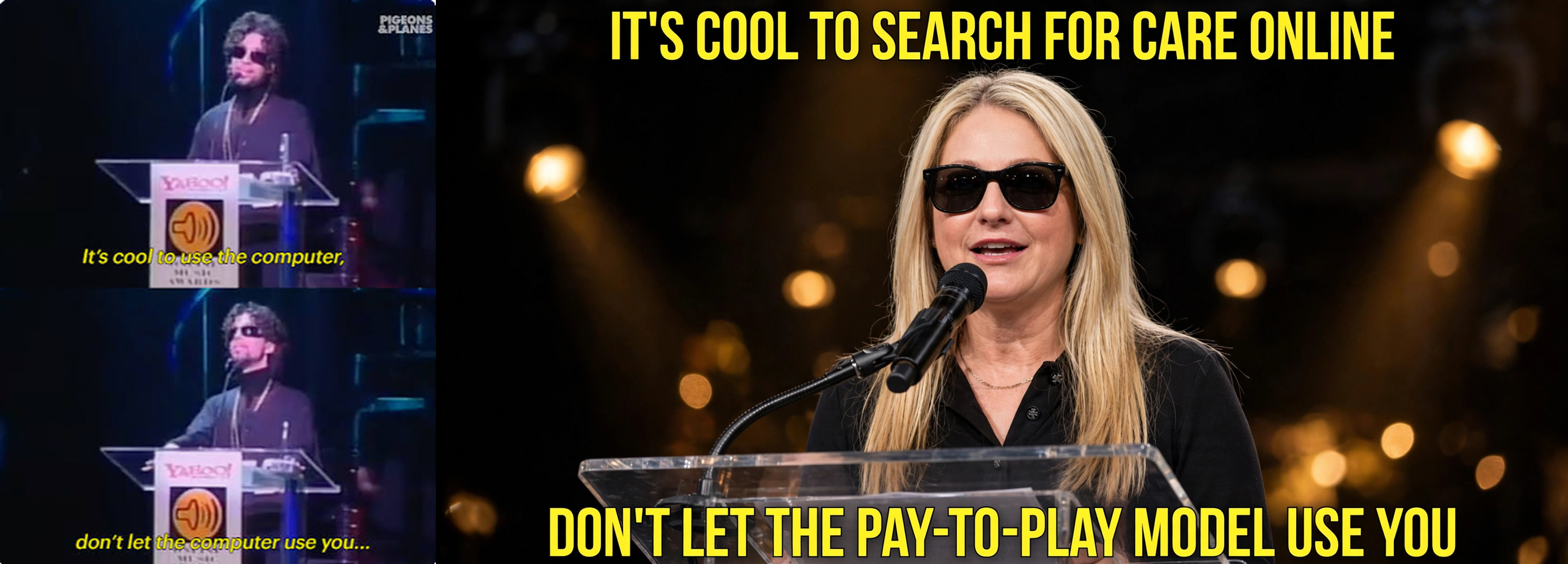
When I look at this image, I don't just see a group of aging adults.
I see a question.
A question many of us don't say out loud.
Will anyone remember me?
Jennifer Love once described a deep fear of simply being forgotten.
I think that resonates with a lot of Gen X.
Not because we need attention.
But because we spent our lives being self-sufficient.
Being needed.
Being productive.
Being the one everyone else relied upon.
The idea of becoming invisible is unsettling.
And ironically, that fear often causes us to avoid planning.
Because planning forces us to confront realities we'd rather not think about.
The possibility of needing care.
The possibility of losing independence.
The possibility of cognitive decline.
The possibility of becoming vulnerable.
Privacy, Autonomy, and Safety
One of the hardest conversations in aging isn't about money.
It's about control.
At what point do we intervene?
At what point do we respect privacy?
At what point does independence become risk?
Every family struggles with this balance.
The crossroads between autonomy and safety is rarely clear.
A parent insists they're fine.
An adult child sees warning signs.
Everyone wants dignity.
Everyone wants freedom.
Everyone wants safety.
Sometimes those goals collide.
There are no easy answers.
That's for sure.
I Miss the 80s and 90s
Maybe it's nostalgia.
Maybe it's perspective.
But I miss the days when problems felt smaller.
I miss music videos.
I miss landlines.
I miss people showing up at your house without texting first.
I miss a world that felt slower.
Today we're surrounded by information yet overwhelmed by decisions.
We have more technology than ever.
More resources than ever.
More data than ever.
And yet many families have never felt more lost.
We Actually Have the Tools
Here's the part that gives me hope.
We have the technology.
We have the programs.
We have the data.
We even have artificial intelligence.
The problem isn't capability.
The problem is coordination.
Professionals still operate in silos.
Healthcare talks to healthcare.
Housing talks to housing.
Finance talks to finance.
Legal talks to legal.
Meanwhile families are stuck trying to connect the dots.
That isn't sustainable.
Why I Continue Building Next Best Home
This is exactly why I continue building Next Best Home and supporting Aging Intelligence initiatives in Santa Barbara.
Not because families need more websites.
Not because they need more directories.
Because they need clarity.
They need connected information.
They need trusted professionals who communicate with one another.
They need education before crisis.
They need planning before panic.
Most importantly, they need communities willing to work together.
Stop Competing. Start Collaborating.
One of my favorite messages from Wayne Dyer was simple:
"Stop competing and start collaborating."
I believe that's exactly what the future requires.
Leadership alone isn't enough anymore.
No single organization is going to solve aging.
No single professional is going to solve dementia.
No single platform is going to solve caregiving.
The answers will come from collaboration.
Because the longer we operate in silos, the harder we ultimately make it on ourselves.
And maybe that's the real lesson for Generation X.
The generation that learned to do everything alone may finally need to learn how to do something together.
Before one day we find ourselves asking the same question that hangs over this image: