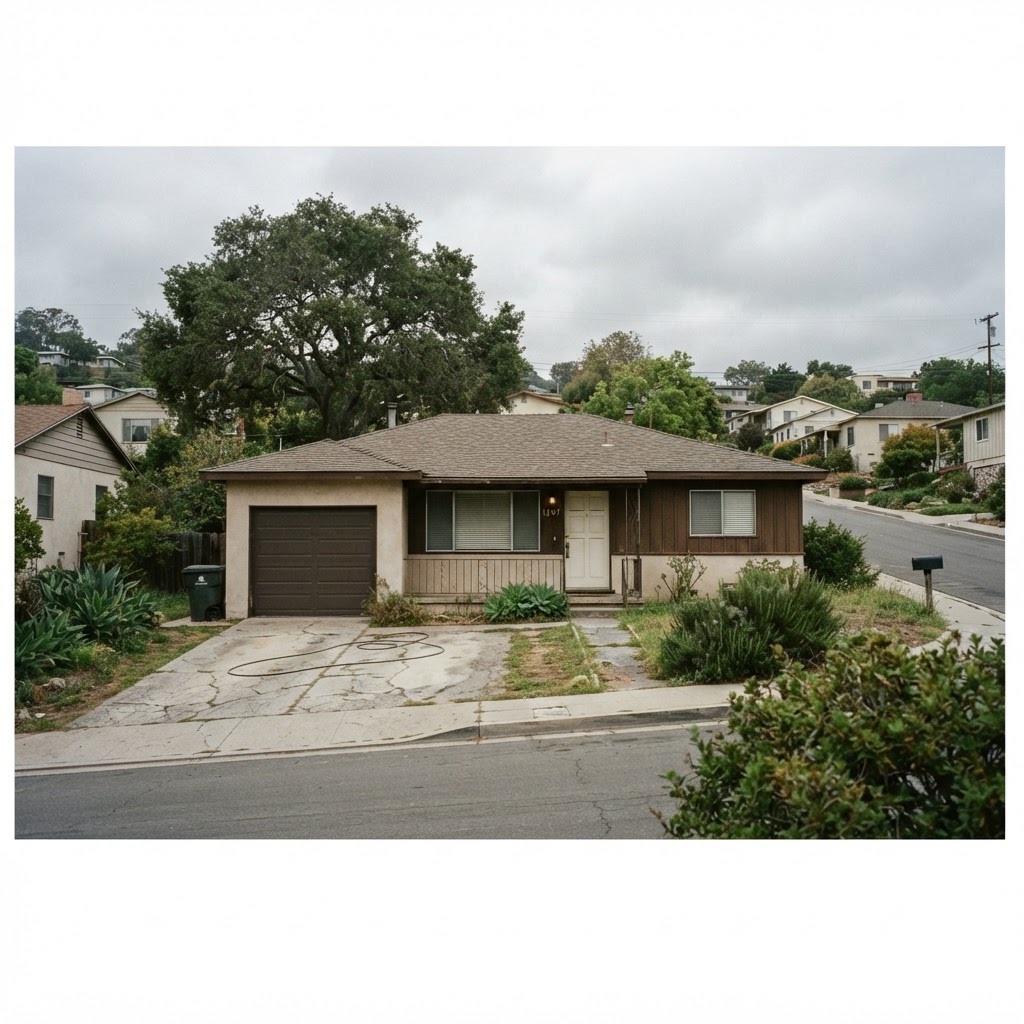

Short answer: yes. Longer answer: there are four main ways to do it, one of them is usually the wrong first move, and almost nobody explains the difference until after you have signed something.
What memory care actually costs here
Memory care is the most expensive level of care most families will ever arrange outside of a nursing home. In Santa Barbara, assisted living starts around $7,500 to $10,000 a month, and memory care communities typically price above that because of staffing ratios, secured environments and higher acuity. Check our local cost calculator for current figures before you plan around anything you read online.
At those numbers, a house with real equity is not sentiment. It is the most significant financial resource most families have. The question is how to unlock it without making a permanent decision during the worst week of your life.
Do not make a permanent financing decision during the worst week of your life.
People are living longer, so they wait later to enter assisted living. By then their level of care is higher, they may be asked to supplement care out of pocket, and what if that money does not last for the direction of their life?
Four ways to turn equity into care
1. A home equity line of credit, when timing allows
A line of credit lets you draw only what care actually costs, month by month, instead of taking a lump sum. Interest accrues only on what you use. The catch is speed and eligibility: approval takes weeks, and lenders look closely at whether the owner still occupies the home. If a memory care move is coming, start this conversation before the move, not after.
2. A reverse mortgage, with eyes wide open
For homeowners 62 and older, a reverse mortgage can fund care without a required monthly payment. But the home generally must remain a primary residence, and the rules around moving out for medical care are specific and time limited. If your parent is moving into memory care, the eventual sale of the home is usually how the loan resolves, so run the full math with a HUD approved counselor first. It can be the right tool. It is never a casual one.
3. A bridge loan designed for senior care
These short term loans lend against the home's value, cover care and move in costs now, and are repaid when the home sells later, on your schedule. Families facing an urgent memory care placement use them precisely because the other options are too slow for a hospital discharge deadline. The cost is real, so treat it as a bridge, not a destination.
4. Sell with a plan, not in a panic
Sometimes the house should sell. But the gap between a rushed sale and a prepared one is routinely tens of thousands of dollars. A prepared sale means time to sort decades of belongings, handle the modest repairs that actually return money, and choose the moment rather than being chosen by it.

One option most families never consider
Rent. If the memory care move looks long term, a well managed rental can produce steady income that offsets a real slice of the care bill. It will not cover everything, and it requires a property manager you trust, but frozen equity earns nothing.
The fine print nobody regrets reading twice
Every one of these options is a loan with costs, interest and obligations, and this article is education, not financial or legal advice. Memory care decisions come with urgency built in, and urgency is where expensive mistakes happen. Talk to a fiduciary advisor, an elder law attorney or a HUD counselor before signing anything. Slow down anyone who tells you not to.
Get the real numbers first
Before you choose a financing path, know exactly what care costs here. Run your own figures on our cost calculator, read our guide on paying without selling the house, or book a consultation and talk it through with a local human.