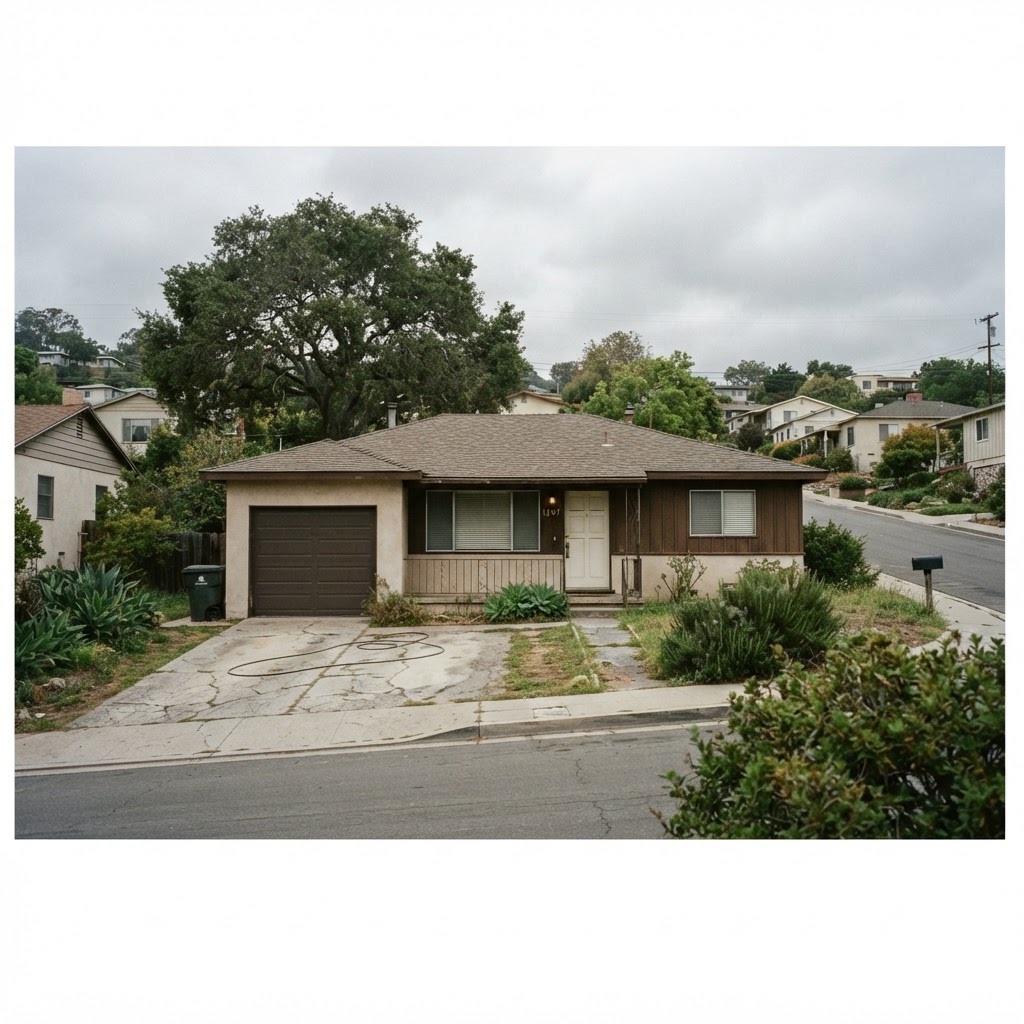
There is a moment most Gen X families know by heart. Mom fell again. The hospital is asking where she goes next. And you are sitting in a parking garage Googling how to pay for assisted living without selling the house because selling the house is the last thing she wants to discuss.
A rushed sale costs more than almost any financing fee you will ever pay.
Here is the good news, and it is rare in this industry: the house does not have to go first. In fact, selling it first is often the most expensive move a family can make. Here is the honest map of your options.
SANTA BARBARA MARKET SHIFT
Assisted Living: Then vs. Now
2004 → 2026
2004
Providers referred directly to one another through trusted local relationships
Average starting rates of $3,000 to $5,000 a month
Families had more time to plan before making a move
Residents moved in earlier, with lower care needs
More caregiver availability and lower labor costs
Stable staffing and lower operating costs
More available inventory
2026
Referrals increasingly driven by online aggregators, paid placement agencies and marketing
Average starting rates of $7,500 to $10,000+ a month
Families often make urgent decisions during a health crisis
Residents are older, with higher acuity and more complex care
Severe caregiver shortages, higher wages, overtime, PTO and rising healthcare costs
Higher turnover plus rising insurance, food, regulatory and operating costs
Limited inventory, with some larger communities reporting 3, 5, even 8 year waitlists
THE RESULT
Higher costs. Longer waitlists. More complexity. Families need real local information, earlier.
When I worked in the home care industry, we were never taught the financial impact this had on families. We were not given basic financial literacy, for ourselves or for the families we served.
Start with the real number, not the fear
In Santa Barbara, average assisted living starting rates run $7,500 to $10,000+ a month, and memory care runs higher. Those are local numbers, not national clickbait. Before you consider any financing move, run your own numbers on our cost calculator. You cannot plan around a number you have not seen.
Five real ways to pay for care without selling first
1. A home equity line of credit
If there is meaningful equity and decent credit, a line of credit against the house can cover care costs while you take time to make a considered decision. You borrow what you need, when you need it, and interest only accrues on what you actually draw. The catch: not every lender will write one on a home the owner may be moving out of, so ask early, before a crisis.
2. A reverse mortgage
For homeowners 62 and older, a reverse mortgage can convert equity into cash without a required monthly payment. The home generally must remain a primary residence, and there are rules around medical absences, so if your parent is moving into assisted living, this needs careful review with a HUD approved counselor before anyone signs. It can be the right tool. It is never a casual one.
3. A bridge loan built for senior care
There are short term loans designed specifically for this situation: they lend against the home's value to cover care and move in costs now, and the loan is repaid when the house sells later, on your timeline. Families use these to stop panic selling during a health crisis. The cost is real, so treat it as a tool that buys time, not a magic trick.
The house is more than an asset. Decisions about it deserve a plan, not a deadline.
4. Rent the house
Santa Barbara rents can carry a meaningful chunk of a care bill. A well managed rental, ideally with a local property manager so you are not the one getting calls at midnight, turns a frozen asset into monthly income. It takes setup, screening and patience, and it will not cover everything, but it is equity working instead of equity sitting.
Families would sell the home because assisted living looked like a cost savings compared to in home care. What they may not understand is how to leverage the equity, delay the sale due to capital gains, and turn the property into rental income that helps fund the care.
5. Sell later, on purpose
Sometimes selling is genuinely the right call. The difference between a panic sale and a planned sale is usually tens of thousands of dollars. A planned sale means time to clear out decades of belongings, make modest repairs that actually return money, and sell into the right season rather than the wrong week. If the house will sell, make it a plan, not an emergency.
The honest fine print
Every equity option is a loan with costs, interest and obligations. This article is education, not financial or legal advice. Before you sign anything, talk to a fiduciary financial advisor, an elder law attorney, or a HUD approved housing counselor. Anyone who pressures you to sign fast is telling you something.
What we actually do
We are not a lender and we are not here to sell you one. We publish real local rates, real facility information and real options, then you decide. Start with the numbers, and if you want a human to think it through with, book a consultation.
Want to talk it through?
Book a consultation, run your own numbers with real local rates, or take the quick assessment.